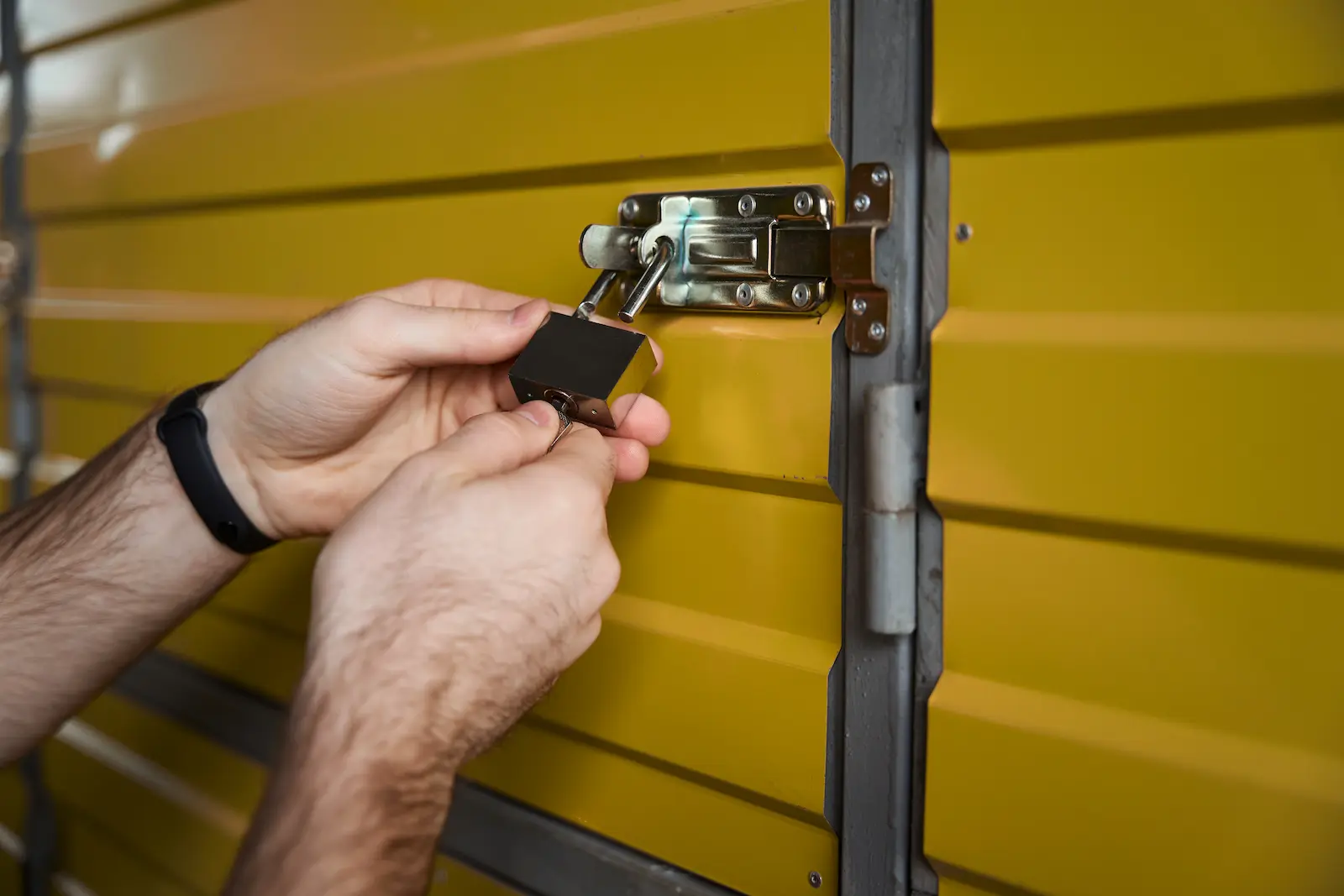



When considering robust security solutions, understanding the nuances of different locking mechanisms is key. Standard locks offer basic protection, but for elevated security needs, High Security Keys present a significant upgrade. These systems are designed with advanced features to deter unauthorized access and provide greater peace of mind.
Key points
- High Security Keys are part of advanced locking systems designed for superior protection.
- They feature intricate designs and controlled duplication processes to prevent unauthorized access.
- Benefits include increased resistance to picking, bumping, and illegal key copying.
- Ideal for commercial properties, high-value homes, and any situation requiring enhanced security.
- Installation and duplication require authorized and qualified professionals.
What Are High Security Keys?
High Security Keys are part of a locking system engineered to provide a much higher level of protection against unauthorized duplication and picking than conventional locks. Unlike standard keys that can often be easily copied at a local hardware store, high security keys are typically patented and require authorization from the lock manufacturer or a certified dealer to duplicate. This controlled duplication process is a cornerstone of their security. The key itself often features intricate designs, such as special cuts, magnets, or electronic components, that interact with a uniquely designed cylinder. This complexity makes them exceptionally difficult to bypass without the correct key.
Advanced Security Features
The enhanced security of these systems stems from several advanced features. Many high security locks incorporate special pins or elements within the cylinder that must be precisely aligned by the key. Some systems utilize sidebars or channels that require corresponding features on the key to be engaged, adding another layer of complexity. Magnetic elements embedded in both the key and the lock cylinder can further prevent picking attempts, as manipulating these magnets requires specialized tools and knowledge. The robust construction of the keys and cylinders also contributes to their durability and resistance to brute-force attacks. This multi-faceted approach to security makes them a formidable barrier against intrusion.
Benefits of High Security Systems
The primary advantage of installing a high security key system is the significantly increased protection it offers. The restricted key duplication prevents unauthorized copies from being made, ensuring that only authorized individuals possess the means to open the lock. This is particularly valuable for businesses and properties where maintaining a controlled access list is crucial. Furthermore, the sophisticated design of high security locks makes them highly resistant to common locksmithing techniques used for bypassing locks, such as picking or bumping. This increased resistance translates to a lower risk of break-ins and property theft. The durability of these systems also means they often have a longer lifespan, potentially reducing the need for frequent repairs or replacements compared to less robust alternatives.
When to Consider High Security Keys
High security keys are an excellent choice for a variety of situations where standard locks may not provide sufficient protection. This includes commercial properties, office buildings, retail stores, and any business that stores sensitive information or valuable inventory. For homeowners, high security locks are ideal for securing valuable collections, home offices, or properties in areas with higher crime rates. They are also recommended for any situation where the cost of a potential break-in—both financial and in terms of lost privacy or security—outweighs the initial investment in a superior locking system. If you’re looking for advanced protection beyond what standard locks can offer, exploring high security options is a logical next step.
Installation and Maintenance
Installing a high security key system should be handled by a qualified locksmith. Due to the complexity and precision required, improper installation can compromise the system’s effectiveness. A professional can assess your specific security needs and recommend the most suitable high security lock and key system. Maintenance typically involves keeping the lock cylinder clean and occasionally lubricating it with a manufacturer-approved lubricant to ensure smooth operation. While these systems are built for durability, regular checks by a professional can help identify any potential issues before they become serious problems, ensuring the continued integrity of your security.
Common questions
Are high security keys difficult to use?
No, high security keys are generally designed to be as easy to use as standard keys, despite their advanced internal mechanisms. The complexity lies within the lock and key design, not in the user’s operation of them. Inserting and turning the key typically feels similar to a conventional key.
Can any locksmith duplicate a high security key?
No, typically only authorized dealers or certified locksmiths can duplicate high security keys. This is because the keys are often patented, and duplication requires special equipment and authorization procedures to prevent unauthorized copying.
How do high security keys compare to smart locks?
High security keys offer a mechanical form of advanced security, focusing on resistance to picking and unauthorized duplication. Smart locks provide security through electronic means, often involving keypads, smartphone apps, or biometric scanners, and may offer remote access and monitoring features. The choice between them depends on whether you prefer a highly secure mechanical system or the convenience and digital features of a smart lock.
What is the cost difference between high security keys and standard keys?
High security key systems generally have a higher upfront cost than standard locks and keys. This is due to the advanced engineering, patented designs, and more complex manufacturing processes involved. However, the enhanced security and durability can offer a better long-term value by reducing the risk of costly break-ins.